
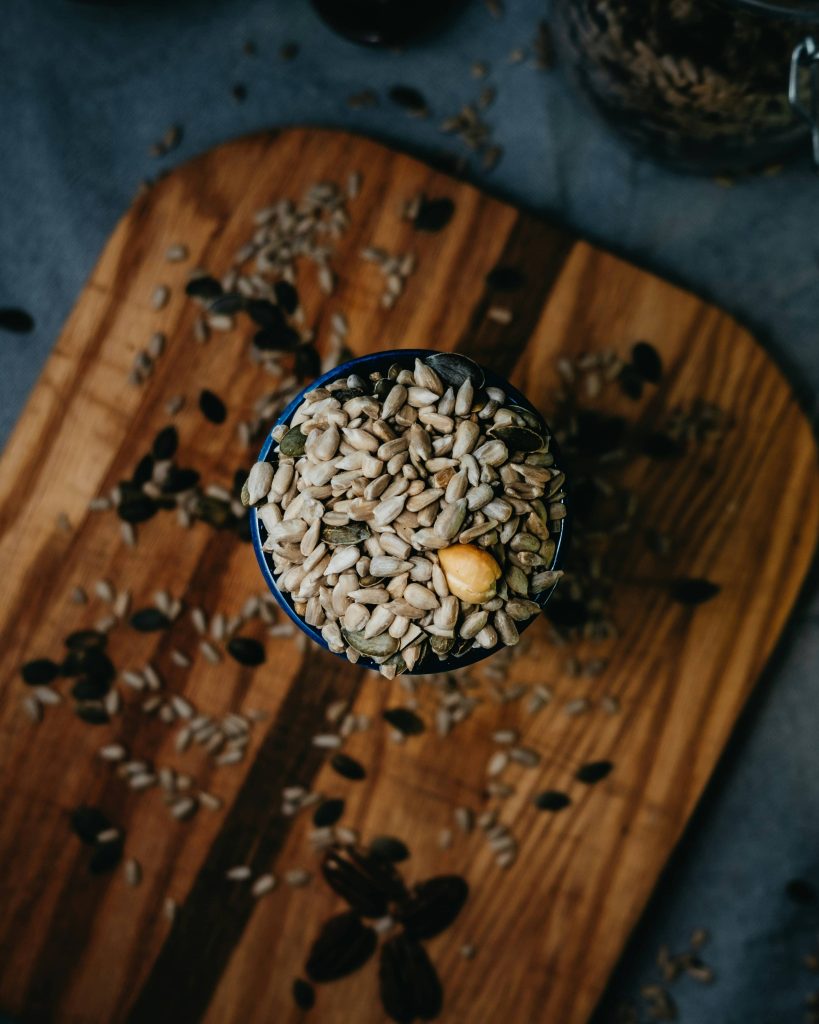
Seed cycling has gained renewed attention in holistic and functional health due to its potential role in supporting hormonal homeostasis. The concept is straightforward: rotating specific nutrient-dense seeds throughout the menstrual cycle may help balance key hormones, alleviate PMS symptoms, regulate menstrual cycles, and ease the transition into menopause.
Key Seeds and Their Functional Benefits
Certain seeds have been recognized for their bioactive compounds that influence hormonal health in both women and men. For instance:
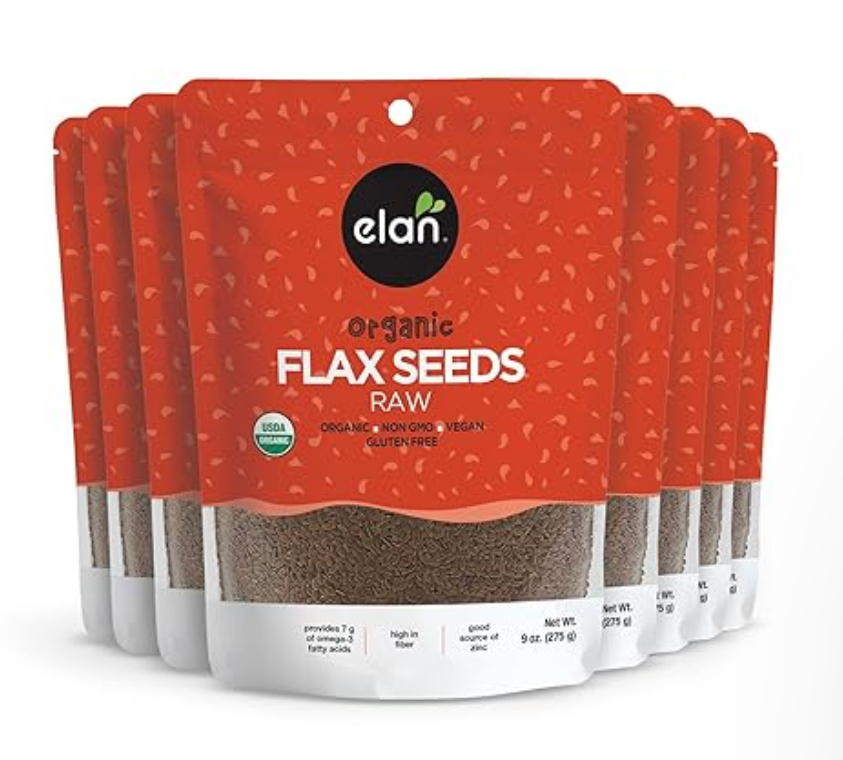
- Flaxseeds – Rich in lignans (phytoestrogens) that support estrogen metabolism and Omega-3 fatty acids, which have anti-inflammatory properties.
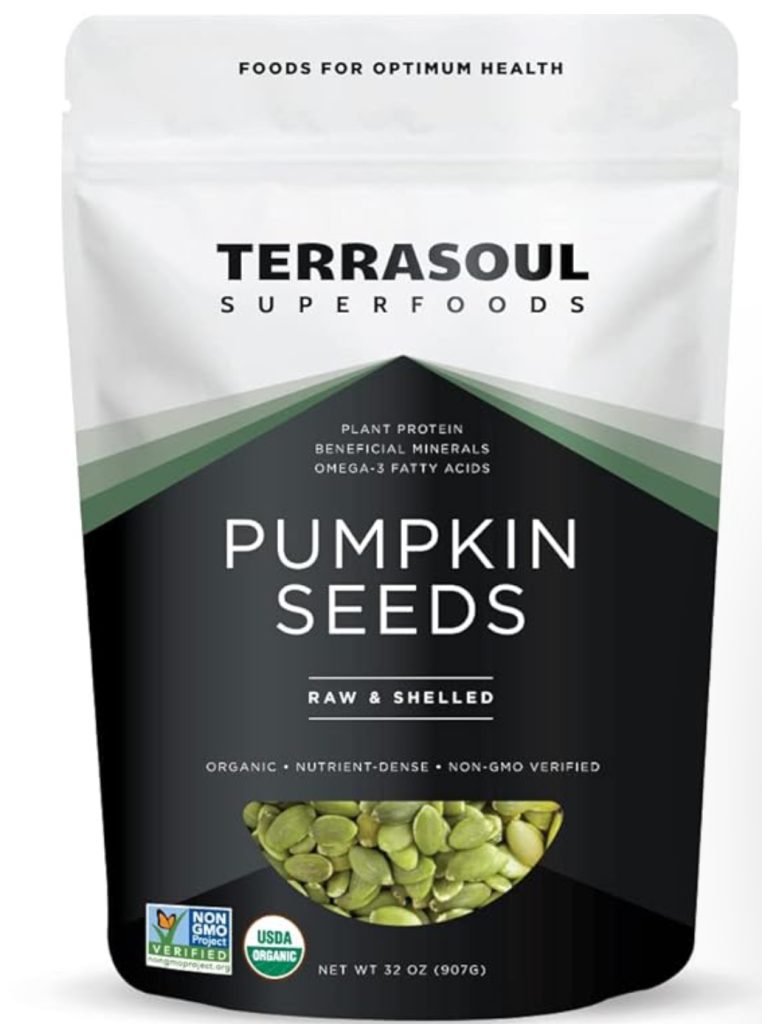
- Pumpkin seeds – High in zinc, which plays a crucial role in ovulation, progesterone synthesis, and androgen regulation.
In men, androgens (such as testosterone, DHT, and DHEA) are critical for spermatogenesis, libido, mood regulation, and energy metabolism. Excessive androgen levels can contribute to conditions such as acne, aggression, and hormone-related imbalances, while in women, elevated androgens can lead to hirsutism, acne, and conditions like Polycystic Ovarian Syndrome (PCOS).
Other key seeds used in seed cycling protocols include:
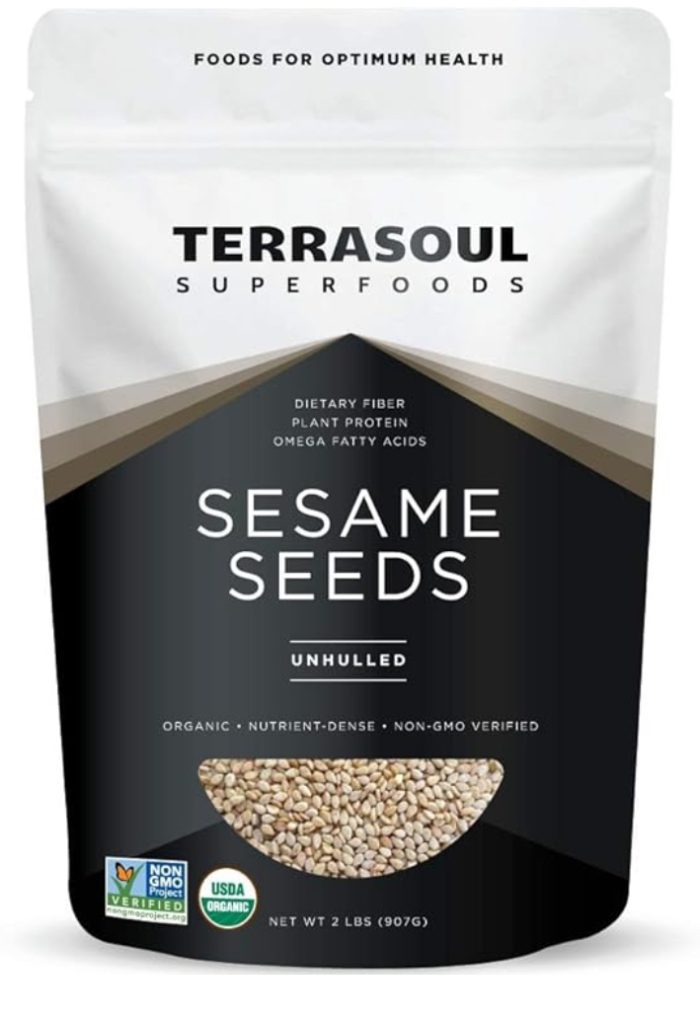
- Sesame seeds – Rich in lignans, bioavailable zinc, and vitamin B6, supporting progesterone production and estrogen metabolism.
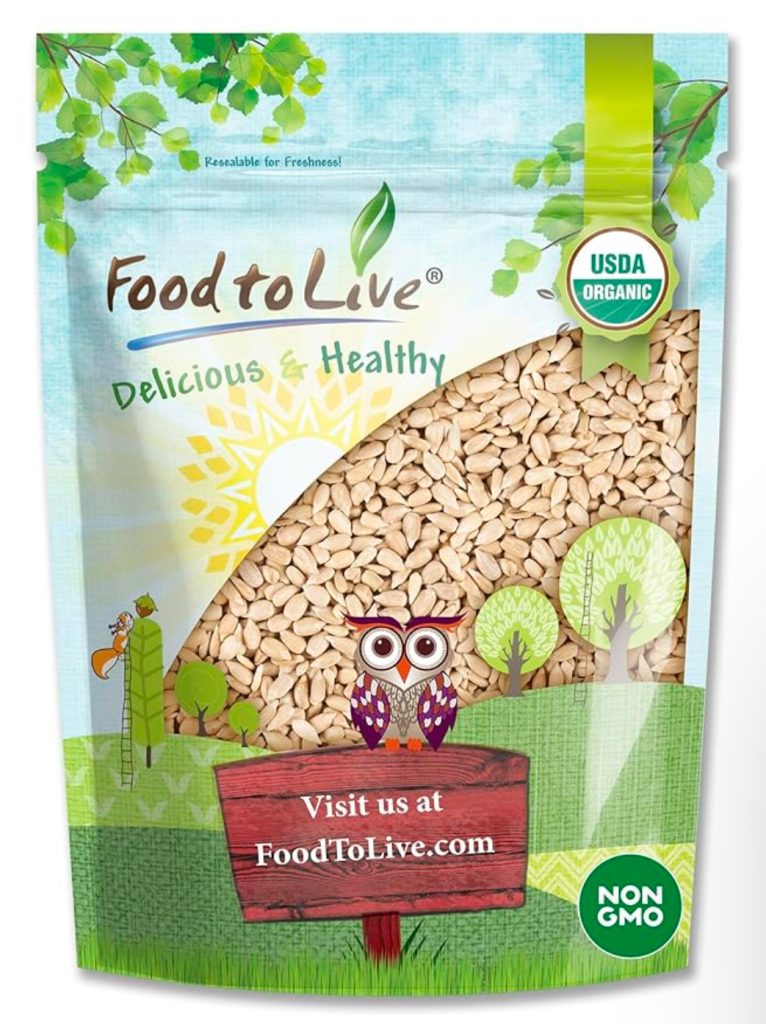
- Sunflower seeds – A potent source of Vitamin E, which is essential for egg quality, luteal phase support, and progesterone synthesis.
The Critical Role of Progesterone
Progesterone is a foundational hormone in the female reproductive system. After ovulation, it plays a pivotal role in:
– Preparing the uterine lining for potential implantation
– Supporting early pregnancy by preventing uterine contractions and aiding placental development
– Stimulating collagen production, benefiting skin elasticity and wound healing
– Enhancing neurological function, promoting a calming effect on the brain
– Maintaining bone density, crucial for postmenopausal health
– Balancing estrogen levels, helping to reduce breast cancer risk
A healthy menstrual cycle requires a precise interplay of hormones, and nutrient timing—such as seed cycling—may serve as an adjunct strategy for maintaining this balance.
Optimizing Nutrient Absorption in Seed Cycling
While seed cycling can be beneficial, nutrient absorption is key. For individuals with gut dysbiosis, leaky gut, or digestive symptoms (e.g., constipation, bloating, diarrhea), consuming whole seeds may be suboptimal due to impaired digestion. Instead, I may recommend:
- Ground seeds for enhanced bioavailability
- Gut-healing protocols first to improve intestinal integrity before introducing seed cycling
By ensuring optimal digestive health, clients can fully absorb and utilize the nutrients from these seeds throughout their hormonal cycle.
Don’t know what seeds to eat when?
Remember that women go through 4 different phases in the menstrual cycle.
The 4 Phases of the Menstrual Cycle
- Menstrual Phase: This phase begins on the first day of bleeding and lasts for about 3 to 7 days. During this time, the uterine lining sheds. This occurs due to a drop in estrogen and progesterone levels, signaling that pregnancy has not occurred.
- Follicular Phase: The follicular phase extends until ovulation. It typically lasts about 14 to 21 days. This is when the pituitary gland releases follicle-stimulating hormone (FSH), so that your ovaries can produce follicles. Once a follicle matures into an egg with the help of rising estrogen levels the uterine lining thickens in preparation for a potential pregnancy.
- Ovulation Phase: Around day 14 in a 28-day cycle, ovulation involves the release of a mature egg from the ovary into the fallopian tube. This phase lasts only about 12 to 24 hours. A surge in luteinizing hormone (LH) is what triggers ovulation.
- Luteal Phase: Following ovulation, this phase lasts about 14 days. The ruptured follicle transforms into the corpus luteum, which secretes progesterone. Progesterone maintains the thickened uterine lining for a fertilized egg. If fertilization doesn’t occur, the corpus luteum breaks down, leading to a drop in progesterone and levels of estrogen, triggering the start of menstruation once again.
Want to Try Seed Cycling?
From your period to ovulation consume more flax seeds and pumpkin seeds.
The last fourteen days of your menstrual cycle or so consume sesame and sunflower seeds.
Curious about optimizing your hormonal health throughout your cycle? Struggling with PMS, hormonal acne, or irregular periods? Navigating perimenopause or postmenopause and looking for ways to nourish your body for long-term hormonal balance? Let’s explore evidence-based strategies to support your unique needs at every stage.
Want to Learn More?
Services: Go to the Services Page to learn more about the services I offer.
Free EBOOK: Download your free ebook today on 7 Action Steps to a Healthier Microbiome.
Home Page: Go back to the main home page of the website.
Contact Me: Ready to take the next step and begin your healing journey? Click here to schedule a free 15 minute clarity call today.
Disclaimer: The information and education provided here is not intended or implied to supplement or replace professional medical treatment, advice, and/or diagnosis. Always check with your own physician or medical professional before trying or implementing any information on here. This blog may also contain affiliate links. As an Amazon Associate, I earn commission from qualifying purchases. I may earn a small commission if you click on a link and make a purchase. This comes at no additional cost to you. I only recommend products or services I genuinely believe in and that I think may be helpful to you. The affiliate earnings help support the blog and allow me to continue creating valuable content for you. Photo by Cathal Mac an Bheatha on Unsplash

