
Learning how to foster your gut microbiome diversity might be one of the most impactful things you ever do for your health. The gut microbiome plays a key role in how your body functions and responds to life’s challenges. In this post, we’ll explore current research on the microbiome and how personalized nutrition directly influences your gut’s microbial composition long term.
Ancient Wisdom Meets Microbiome Science
Despite all of our access to health food trends, wellness routines, and supplements, our gut health is suffering. “Western” societies show an alarming decline in microbial diversity (PubMed Central), which functional medicine and nutrition links to everything from autoimmune conditions to mood disorders. Meanwhile, ancestral and traditional populations—those living in Blue Zones or tribal communities—show a vastly different picture: a microbiome that’s rich in species, stable across seasons, and naturally resilient.
So what’s their secret? Spoiler: it’s not just fiber supplements or a trending “gut reset” diet. It’s a way of living. A way of nourishing. A rhythm between food, movement, rest, and nature that creates an ecosystem inside the body—one that modern lifestyles and societies have largely disrupted.
The Gut Microbiome: An Ecosystem Within
Your gut houses trillions of microorganisms influencing everything from immunity to glucose metabolism and mood. These microbes make up the gut microbiome, which relies on diverse microbial species to keep the body in balance.
Recent studies show a significant decrease in species-level diversity in those following the standard Western diet. In contrast, there is much more biodiversity and enrichment of beneficial bacteria —like Bacteroidetes and Actinobacteria in rural communities—even in stool samples collected across different seasons (Nature). This reveals how quickly our microbiome can respond to dietary intake and lifestyle changes.
The Hadza Tribe: A Living Microbiome Masterclass
One of the most studied tribal populations, the Hadza of Tanzania, are hunter-gatherers with the most microbiome diversity ever recorded. Their diet isn’t “clean” or calorie-controlled—but it is varied, seasonal, and deeply connected to nature (National Institute of Health).
They consume fibrous tubers, wild honey, berries, baobab fruit, and hunted animal proteins. Their dietary components vary day to day and season to season, leading to a natural significant increase in certain microbes depending on the time of year. Unlike in Westernized cultures, their gut ecosystem is constantly evolving in a way that supports resilience and longevity.
Blue Zones: Simplicity That Supports Gut Health
From Okinawa, Japan to Nicoya, Costa Rica, Blue Zone populations are celebrated for their longevity and low incidence of chronic disease. But what’s even more interesting is how their diet patterns and lifestyles naturally support a healthy gut microbiota.
These communities typically follow diets rich in fresh fruits, legumes, and dietary fiber. But they also live slow, socialize often, and eat with purpose—habits that reduce stress and enhance digestion.
Recent studies confirm that a calm nervous system depends on gut integrity and microbial exposure. Reducing inflammation through prophylactic modalities like functional nutrition is key.
Prophylactic modalities prevent disease before symptoms arise. Functional nutrition falls into this category, focusing on:
- Root-cause analysis
- Supporting natural healing
- Using food and lifestyle to prevent chronic illness
- Empowering individuals through education
Just like exercise or routine screenings, functional nutrition can be proactive care—with the goal of promoting optimal health and resilience.
What the Western Diet Lacks: A Functional View
While the scientific community has made huge strides in microbiome analysis, the modern Western lifestyle continues to disrupt what should be a mutually beneficial relationship between the human host and its gut microbes. All over the world, Processed foods, overly sanitized environments, and lack of food variety have all contributed to reduced microbial diversity.
Fast food, high-fat diets, overly sanitized environments, and reliance on animal proteins without variety have also contributed to a significant decrease in microbial diversity. One study published in Nature showed that just a few days on a Western-style diet led to a drastic shift in gut microbiota composition—resulting in the loss of different species that play a crucial role in digestion, metabolism, and immune regulation.
From personal experience, I learned that cutting out gluten, dairy, and carbs without medical necessity caused more issues: SIBO, acid reflux, and enzyme imbalances. Restriction may be necessary for some, but always consider its impact on microbial diversity—and seek professional guidance.
What the Science Says: Microbial Diversity Prevents Disease
We’re now seeing that microbial diversity is one of the strongest predictors of human health. According to a meta-analysis of clinical trials, people with a richer gut microbiome have lower markers of systemic inflammation and a reduced risk of conditions like inflammatory bowel disease, Type 2 diabetes, obesity, and even neurodegenerative diseases (Nature).
But here’s what’s even more exciting: dietary interventions don’t have to take months. Some studies show gut microbiome composition can shift in as little as 72 hours after changing dietary intake—proving that short-term efforts can still yield long-term impact (Nature).
Beyond Fiber: A Wider Functional Lens
Yes, fiber matters—but the most microbially resilient populations show us that microbial diversity also comes from:
- Natural soil contact
- Untreated water sources
- Eating communally
- Limiting pharmaceutical and environmental toxin exposure
Ancestral and traditional populations show us that microbial diversity comes from more than a single food group. It comes from interacting with soil, drinking from natural water sources, living outdoors, sharing food communally, and minimizing exposure to pharmaceuticals and environmental toxins.
The Hadza, for example, come into contact with over 8 times the number of microbial species per day than urban-dwelling humans. Even their children’s gut microbiomes show higher species-level richness, which correlates with reduced allergy, asthma, and autoimmune incidence.
This supports the idea that food components are only part of the equation. Energy sources for microbes also include stress management, circadian rhythm alignment, and minimizing hyper-processed, high-sugar indulgences that dominate industrialized nations.
Foods That Foster Gut Microbes
Non-Fermented Gut-Friendly Foods (Ancestral + Western Accessible):
- Baobab fruit (Hadza; rich in prebiotics)
- Desert dates (San people; high in fiber and antioxidants)
- Salsify and dandelion greens (European folk diets; liver-supportive bitters)
- Seaweed (Okinawa; rich in polysaccharides and iodine)
- Green bananas and plantains (resistant starch, anti-inflammatory)
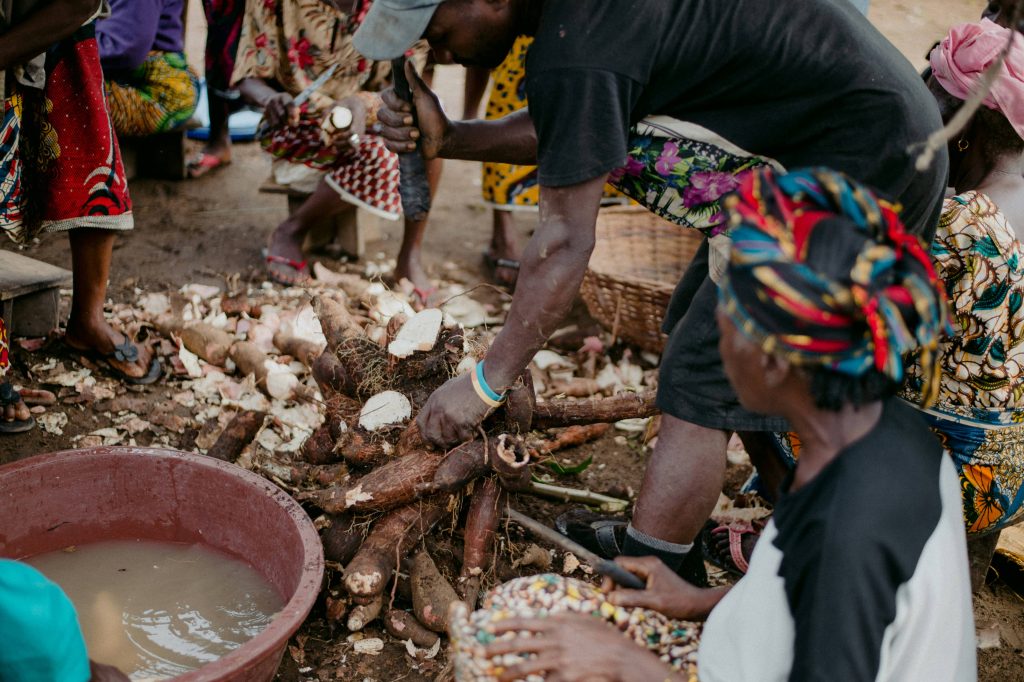
- Cooked and cooled potatoes, rice, and yuca (resistant starch boosters)
- Lentils, black beans, and chickpeas (Nicoya; high in fiber and prebiotics)
- Wild blueberries or blackberries (rich in polyphenols)
- Bitter melon or arugula (supports blood sugar and microbial balance)
- Jerusalem artichokes and leeks (inulin-rich Western options)
- Pomegranates and kiwi (gut-loving fruits rich in polyphenols)
Fermented Foods (Traditional and Modern Options):
- Fermented sorghum porridge (East African cultures)
- Miso and tempeh (Japan and Indonesia; fermented soy)
- Kimchi and fermented daikon (Korea)
- Togwa or mahewu (fermented maize from Africa)
- Kefir (dairy or coconut-based) (Middle East + Western option)
- Plain Greek yogurt with live cultures
- Sauerkraut and beet kvass (Eastern Europe)
- Fermented cassava or dosa batter (Africa and South India)
- Apple cider vinegar with the mother (Western folk remedy)
Each of these contributes unique benefits, feeding different strains of beneficial bacteria. However, depending on your condition and symptoms some of these foods will cause more harm than good. This is why functional nutrition counseling exists!
Seasonal Eating Lessons from Nomadic Tribes
Many nomadic groups—like the San people in Southern Africa—have diets that evolve naturally throughout the year. Their dietary factors shift with what’s available: nuts and seeds during dry months, honey and fruit during the wet season, and small game as needed. This fluidity creates constant shifts in microbial diversity, unlike the static meal plans many of us follow. These shifts appear to train the immune system and modulate inflammation.
Modern meal plans rarely reflect seasonal or energetic shifts. We can borrow from these traditions to help align our metabolic rhythm with nature’s (University of Copenhagen).
Functional Nutrition for Gut Health
As a functional nutritionist, I believe in bio-individuality, but there are some key principles that support gut microbiota composition in almost everyone:
- Rotate food variety: Even rotating vegetables and proteins can promote the growth of different microbial species.
- Go beyond prebiotics and probiotics: Think polyphenols (from things like berries and olives), resistant starch (from cooled rice or potatoes), and even fermented herbs at times and depending on your health conditions and histamine levels.
- Personalized lab testing: Stool and GI mapping tests can assess the relative abundance of key strains, guiding therapeutic protocols.
- Support digestion, not just intake: Proper glucose metabolism, bile flow, and HCl production are necessary for microbes to actually utilize what you feed them.
- Include ancestral practices where possible: This could be something as simple as gardening, walking outdoors barefoot, or making more food from scratch at home.
Reframing Gut Health
Gut health isn’t just physical. It’s emotional, hormonal, and deeply relational. In my practice, some of the biggest breakthroughs come not from food logs but from rebuilding a safe relationship with eating.
This includes addressing:
- Shame around eating “off plan”
- Food fear from past restrictive diets
- The psychological effects of chronic illness or digestive trauma
- The short-term need for flexibility vs the long-term need for consistency
You can drink all the green juice and take all the probiotics in the world—but if you eat in a stressed state or feel guilt every time you order out, your gut will feel that, too.
Final Thoughts: What the Most Resilient Cultures Teach Us
Functional nutrition isn’t about reinventing the wheel. It’s about remembering what works: living in relationship with food, nature, rhythm, and diversity.
The World Health Organization notes that global health is increasingly tied to microbial health. That makes our dietary recommendations and lifestyle choices not just personal, but collective.
So if you’re wondering how to get started:
- 🌱 Eat something from the earth every day.
- 🧠 Let go of perfection. Focus on progress.
- 🧬 Think diversity, not just “healthy.”
- 👣 Bring ancestral wisdom into modern life—one step, one meal, one bite at a time.
Want to Learn More?
Services: Go to the Services Page to learn more about the services I offer.
Free EBOOK: Download your free ebook today on 7 Action Steps to a Healthier Microbiome.
Home Page: Go back to the main home page of the website.
Contact Me: Ready to take the next step and begin your healing journey? Click here to schedule a free 15 minute clarity call today.
Disclaimer: The information and education provided here is not intended or implied to supplement or replace professional medical treatment, advice, and/or diagnosis. Always check with your own physician or medical professional before trying or implementing any information on here. Photo by Yanick Folly and Annie Spratt on Unsplash

